When it comes to asset allocation, there is a difference between buying real estate and acquiring an asset. For investors, the primary objective often shifts from aggressive growth to wealth preservation.
In this context, the most critical metric is the barrier to entry. Can this asset be replicated? If a developer can build an identical tower next door in three years, the asset is a commodity. If zoning or infrastructure constraints make duplication impossible, the asset is irreplaceable.
Smart capital seeks the latter. It hunts for the “moats” (to borrow Warren Buffett’s term) that protect value against market saturation.
Exclusivity as the Foundation of Lasting Value
We know true exclusivity is rarely about marble floors or gold fixtures; it’s structural.
When a property is legally or geographically constrained, such as rare freehold land on a protected coastline, it insulates itself from the supply shocks that plague lower-tier markets. As inventory tightens in prime corridors, assets that control these unique positions naturally decouple from the broader market volatility and become collectors’ items.
Location Beyond Comparison
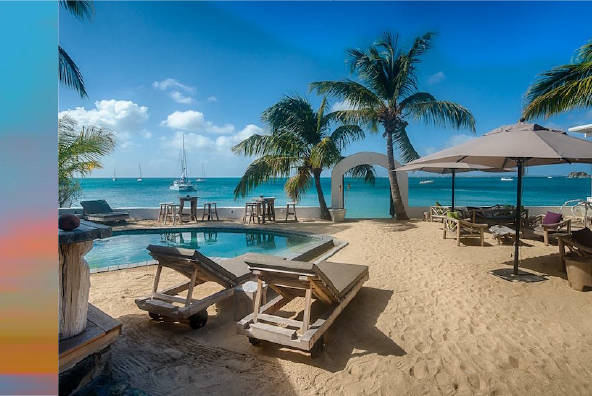
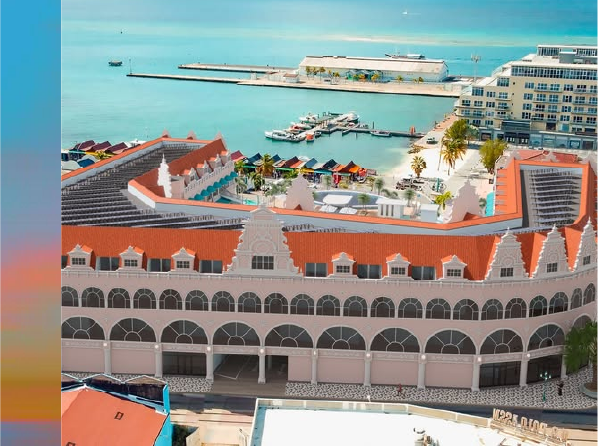
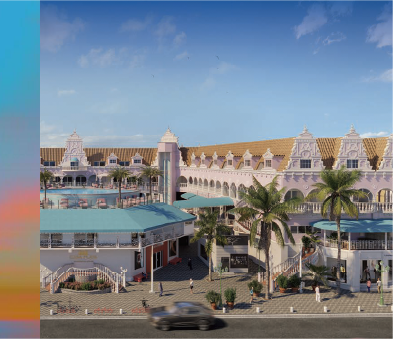
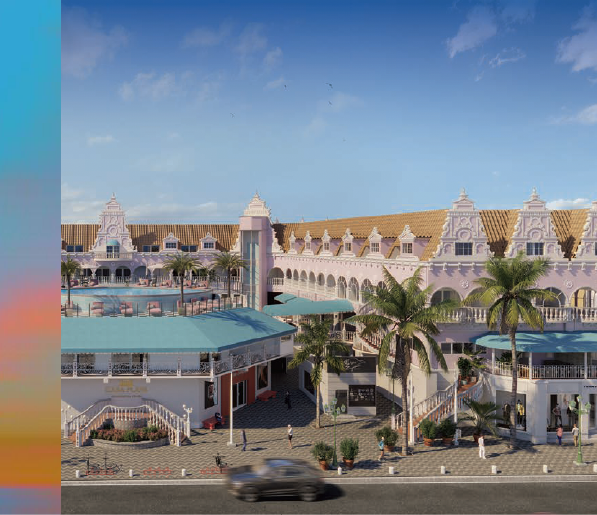
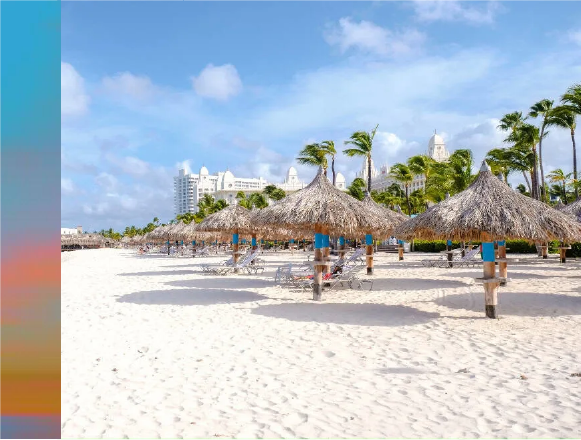
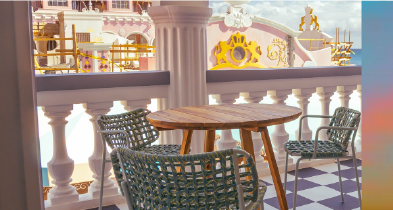
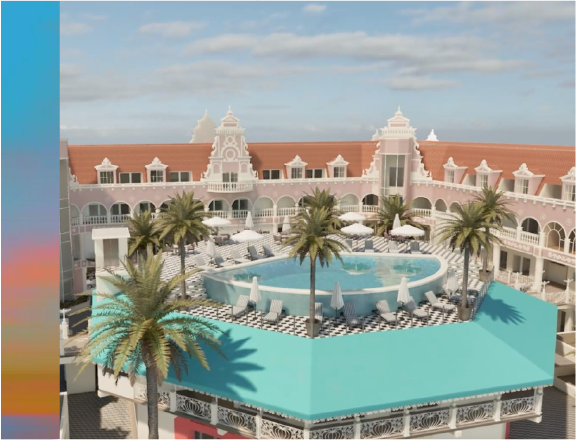
Most ocean-view properties in the Caribbean come with a logistical “tax” of isolation. You get the view, but you lose access to infrastructure. The value proposition at Casa Playa Residences is what happens when both converge.
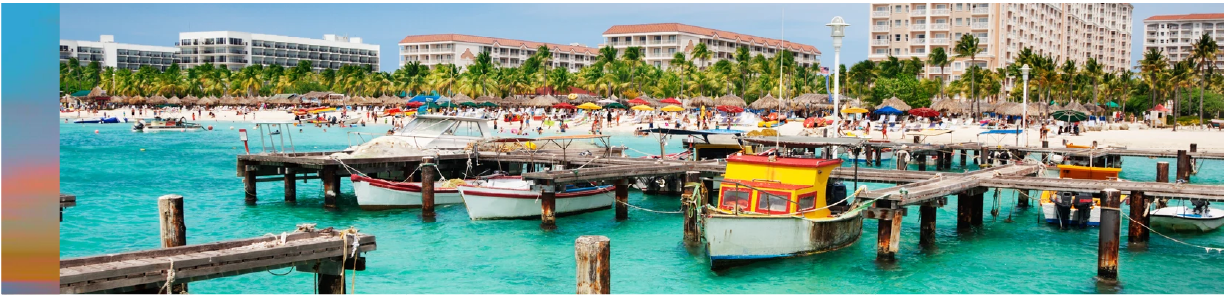
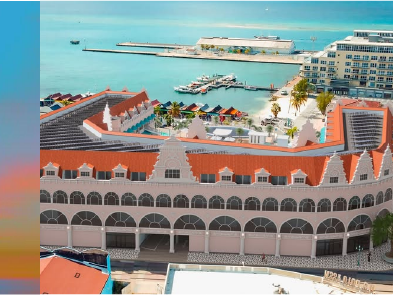
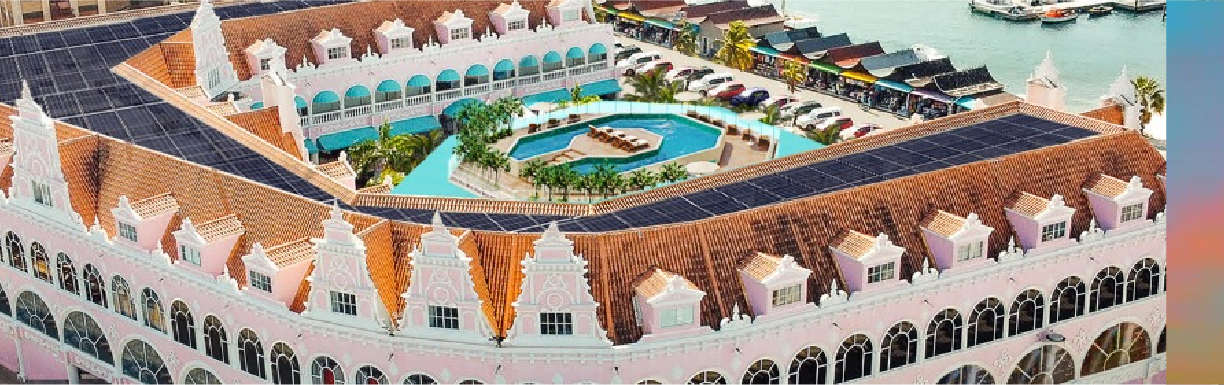
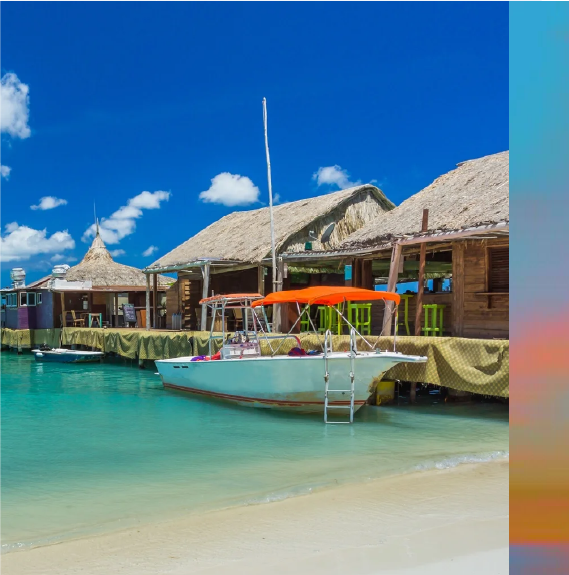
This property offers direct ocean access while remaining walkable to the economic hub of Oranjestad. As a result, it is really a statistical anomaly. This dual utility maximizes the tenant pool, appealing to both vacationers seeking time on the beach and executives needing access to the city.
Strategic Architecture Designed for Timeless Appeal
Experienced investors know that a building’s greatest enemy is not the market, but the environment. In coastal zones, salt and humidity silently erode return on investment.
An asset designed for a 50-year horizon operates differently from a speculative build. It prioritizes engineering over ornamentation and uses materials that resist corrosion to lower the long-term CapEx (Capital Expenditure).
When analyzing a property, the question should not be “How does it look today?” but “What will the maintenance reserve study look like in a decade?” Timeless architecture is, effectively, risk management.
The Advantage of Rarity
If housing demand rises in a sprawling metropolis like Dallas or Orlando, developers simply expand the perimeter, building farther out to meet that demand. This influx of new inventory keeps price appreciation in check.
Island markets, however, operate differently. Aruba represents a closed geographic system. The options of prime, fee-simple coastal land are fixed. No matter how high the demand rises or how much capital floods the market, the physical inventory of land cannot expand.
For the investor, this scarcity is a powerful driver of value. When global demand for safe-haven assets increases, that capital chases a static number of properties, creating a natural floor for valuation that other markets simply cannot offer.
From Industry to Sustainability
Value is also where the destination is heading tomorrow.
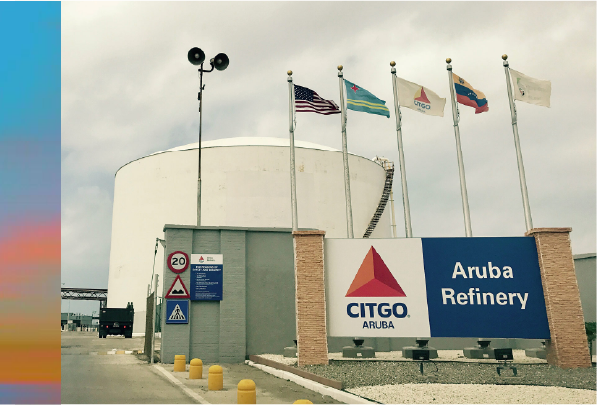
In November 2025, the Aruban government confirmed the permanent closure and dismantling of the historic Lago Refinery in San Nicolas. For nearly a century, that facility served as the industrial core of the island. Now, that chapter is coming to a close to make room for something cleaner and more valuable, backed by European strength.
The Netherlands has committed €50 million to clean up the area and modernize Aruba’s energy grid. The government is discussing direct upgrades to the island’s infrastructure, integrating additional solar and wind capacity to ensure stability for decades to come.
The removal of heavy industry is a direct catalyst for property appreciation. Historically, markets that pivot from industrial use to eco-tourism experience a “lift” in value because the destination becomes more exclusive.
For you, this means owning an asset in a country that is actively upgrading its green infrastructure and air quality. This is a clear sign that Aruba is playing the long game to protect its most important asset: its environment.
Inside the Mind of a Casa Playa Owner: Vision, Taste, and Discretion
The profile of the modern luxury buyer has shifted. We are no longer seeing purchases driven solely by emotion. Today’s buyer is pragmatic. They are often business leaders who value efficiency just as much as aesthetics.
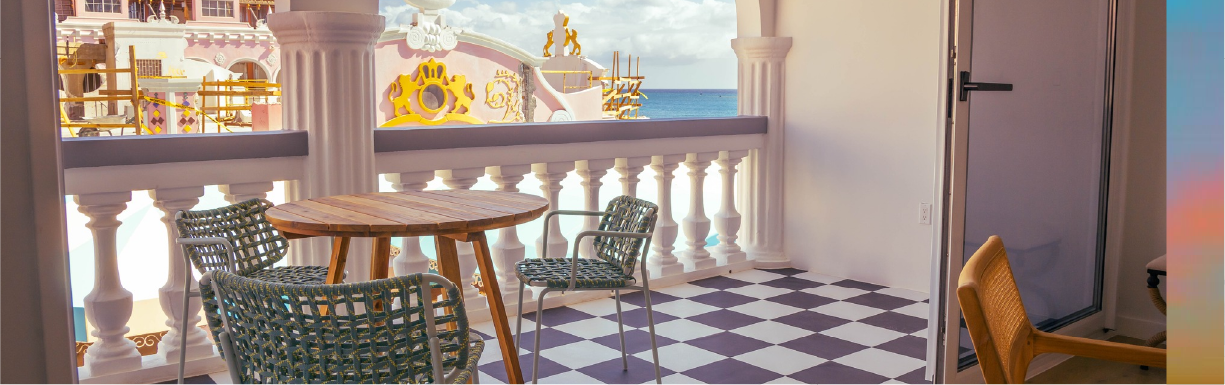
They are less likely to seek out a “mega-resort” experience, which comes with crowds and a general lack of privacy. Nor do they want the headache of managing a standalone villa. They are instead seeking out a “Third Way” that comes in the form of the privacy of a home with the operational efficiency of a hotel.
They are looking for a “lock and leave” capability. They need to know that the asset is generating revenue and being maintained to a 5-star standard without their direct involvement. For this demographic, time is the most expensive currency, and they invest in properties that protect it.
Our owners at Casa Playa Residences are typically founders, executives, and seasoned investors who value two things above all: time and control.
Why Quality Outperforms Quantity
There is a common misconception that owning multiple lower-cost units spreads out potential risk. In reality, property management often spreads your attention too thin.
For the investor who values their time, the goal is simplification.
Managing three mid-tier properties means dealing with three sets of maintenance issues, navigating three different HOAs, and weathering three times the turnover. It turns an investment into a part-time job.
By concentrating capital into a single, high-caliber asset (“Quality”), you change the nature of the revenue stream. Premium properties attract premium tenants. We are talking about a demographic that stays longer, complains less, and treats the residence with respect.
When you invest in quality, you are buying a more stable, lower-maintenance business model. During a market correction, secondary properties are the first to lose occupancy. Blue-chip waterfront assets, however, remain desirable because there is always a market for the best of the best.
Discover Casa Playa Aruba
We prefer to focus on the fundamentals.
We would like to meet you. Casa Playa is a rare investment that rewards you in your portfolio, and every single time you walk through the door. It is a place designed not just to hold value, but to create it.
If you are evaluating your portfolio’s exposure to the Caribbean market, we invite you to look at the numbers, location, and management structure of Casa Playa. This is an opportunity to secure an asset that, by definition, cannot be replicated.