
SECOND HOME IN ARUBA:
EASY FLIGHTS, EASY LIVING
IN ARUBA: EASY
FLIGHTS, EASY
LIVING

Second homes often start as dreams, as images of ocean breezes and weekend escapes. However, turning that dream into a smart investment requires more than just desire. It takes timing, location, and a destination that does more than just look good on social media.
This guide is for the curious investor, the discerning traveler, and the smart buyer ready to trade clichés for clarity. We’re diving into why Aruba—often overlooked in favor of its flashier neighbors—delivers what most destinations cannot: rock-solid infrastructure, rental-ready accessibility, and a lifestyle that effortlessly blends relaxation with reliability.
Choosing Smart Over
Familiar: What to Consider
Over Familiar:
What to
Consider
When it comes to buying a second home, most people default to the usual suspects: Floridian condos, Mexican villas, or Bahamian beach houses. True sophistication lies in recognizing the subtle advantages that make Aruba stand apart.
First, there’s the convenience factor. Unlike destinations that require multiple flights or ferry rides, Aruba is just a direct flight away from cities like New York, Miami, Boston and Toronto, or can be quickly reached from Latin American centers like Bogota and Panama City. With short travel times, you gain more spontaneous weekends and fewer wasted travel days.

Then there’s the stability. Aruba’s Dutch-inspired infrastructure means reliable electricity, clean water, and roads that don’t flood after a rainstorm. The legal system is transparent, and property rights are well-protected. As a result, you don’t have to worry about shady dealings or surprise taxes.
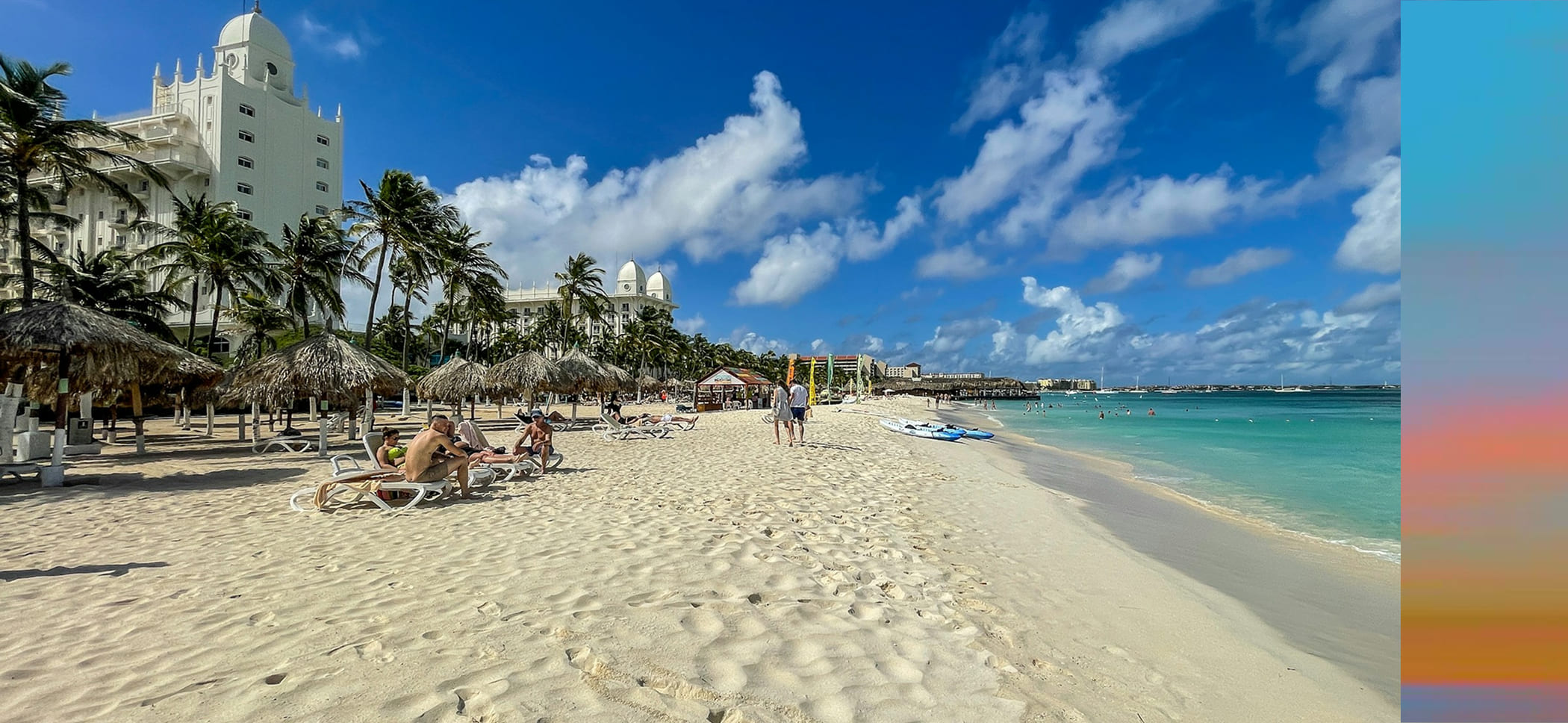
Finally, there’s the lifestyle. The island’s compact size means you’re never more than 10 minutes from a world-class beach, yet you can still find quiet corners to call your own. It’s the perfect balance of accessibility and escape.
Understanding Real
Estate Pricing in Aruba
Real Estate
Pricing in Aruba
Unlike speculative markets, where prices fluctuate with investor whims, Aruba’s real estate reflects a calculated scarcity. The island’s limited land mass (just 70 square miles) and strict building codes create natural value protection. What appears as a premium price tag is actually an insurance policy against overdevelopment, economic volatility, and the boom-bust cycles that plague other Caribbean markets.


Factors Influencing
Property Prices
Aruba’s real estate market dances to its own rhythm. Here’s what drives property value on the island:
Proximity:
Oceanfront properties command a premium, but even homes a few blocks inland hold their value thanks to the island’s small size.
Quality of
Construction:
Dutch building standards ensure properties are built to last, protecting your investment over time.
Potential:
Stability:
Beach
Proximity:
Oceanfront properties command a premium, but even homes a few blocks inland hold their value thanks to the island’s small size.
Construction:
Dutch building standards ensure properties are built to last, protecting your investment over time.
Potential:
Homes in well-managed rental programs often justify higher prices by generating steady income.
Stability:
The Aruban florin is pegged to the U.S. dollar, eliminating currency risk for American buyers.
Comparing Prices With Other
Caribbean Destinations
Yes, Aruba might seem pricier than the Dominican Republic or Jamaica at first glance. But when you factor in the island’s stability, year-round rental demand, and hassle-free accessibility, that premium starts to look like a bargain. Unlike volatile markets that boom and bust, Aruba offers the kind of steady, sustainable growth that keeps your investment safe while you enjoy it.
Rental Potential: Making Your
Second Home Work For You
Making Your
Second Home
Work For You
The best second homes pay for themselves, and Aruba’s rental market makes that surprisingly easy. Here’s why:
Dual-Season
Demand:
Oceanfront properties command a premium, but even homes a few blocks inland hold their value thanks to the island’s small size.
Corporate
Clients:
Tech companies and financial firms often book long-term stays for employees working remotely.
Turnkey
Management:
Professional rental companies handle everything from marketing to maintenance, so you don’t have to play landlord.
Dual-Season
Demand:
Oceanfront properties command a premium, but even homes a few blocks inland hold their value thanks to the island’s small size.
Corporate
Clients:
Tech companies and financial firms often book long-term stays for employees working remotely.
Turnkey
Management:
Professional rental companies handle everything from marketing to maintenance, so you don’t have to play landlord.
According to some market reports, a well-located two-bedroom condo can generate $40,000–$60,000 annually—enough to cover your mortgage and then some. Suddenly, that vacation home goes from being a luxury to an asset. Of course, strong rental income depends on more than just the property itself. How much you can earn is also tied to how easily guests can access the property. And in Aruba’s case, that’s another quiet advantage.
Unlike destinations that rely on seasonal surges or complicated, multi-stop travel routes, Aruba remains connected throughout the year. Queen Beatrix International Airport (AUA) is recognized as one of the Caribbean’s most efficient hubs, boasting a vast and diversified route network that reflects real and stable tourist demand. The airport handles approximately 1,150 flights per month from 33 airports across 30 cities in 13 countries, averaging 38 flights per day.
Accessibility That Moves
With the Market
That Moves
With the Market
The hidden genius in choosing a second home in Aruba lies in the unrivaled accessibility it offers across multiple international markets. This robust network of direct flights increases rental demand, mitigates risk, and ensures the long-term profitability of your investment.
Starting January 2026, direct routes will significantly deepen access to the South American market, featuring expanded flights from Buenos Aires, Córdoba, and Mendoza, Argentina.
The Longest Lifeline: Even the longest route, the service from Amsterdam (AMS), proves the island’s viability by connecting it directly to Europe, guaranteeing international exposure and ensuring your property stays desirable across all seasons.

How Direct Weekly Flights Improve Accessibility
Aruba’s connectivity includes crucial direct flights that guarantee a consistent stream of visitors and make owner visits effortless:
Alternatives:
Multiple daily flights mean you can travel whenever the mood strikes.
Times:
True weekend getaway potential.
Pricing:
Increased competition has driven fares down, making last-minute trips more affordable.
Alternatives:
Multiple daily flights mean you can travel whenever the mood strikes.
Times:
True weekend getaway potential.
Pricing:
Increased competition has driven fares down, making last-minute trips more affordable.



Why Frequent Travelers Love
Aruba as a Second Home
Destination
Travelers
Love Aruba as
a Second Home
Destination
There’s a rhythm to life in Aruba that gets under your skin once you’ve been there long enough. It’s the powder-soft sand, the impossibly blue water and the way the island makes owning a second home feel effortless. At Casa Playa Residences, we see it every day: owners who planned to visit twice a year suddenly finding excuses to return monthly.
The secret? Aruba removes the friction that makes most vacation homes impractical. Direct flights mean you can realistically take a long weekend trip. Consistent weather means no canceled plans. And our turnkey ownership model means you’re free to enjoy your time, not manage a property.
Our team at Casa Playa Residences specializes in connecting buyers with homes that feel like an escape and function like an investment.